



PAGASA: Habagat Brings Rains Over Palawan; Thunderstorms Possible in Other Areas
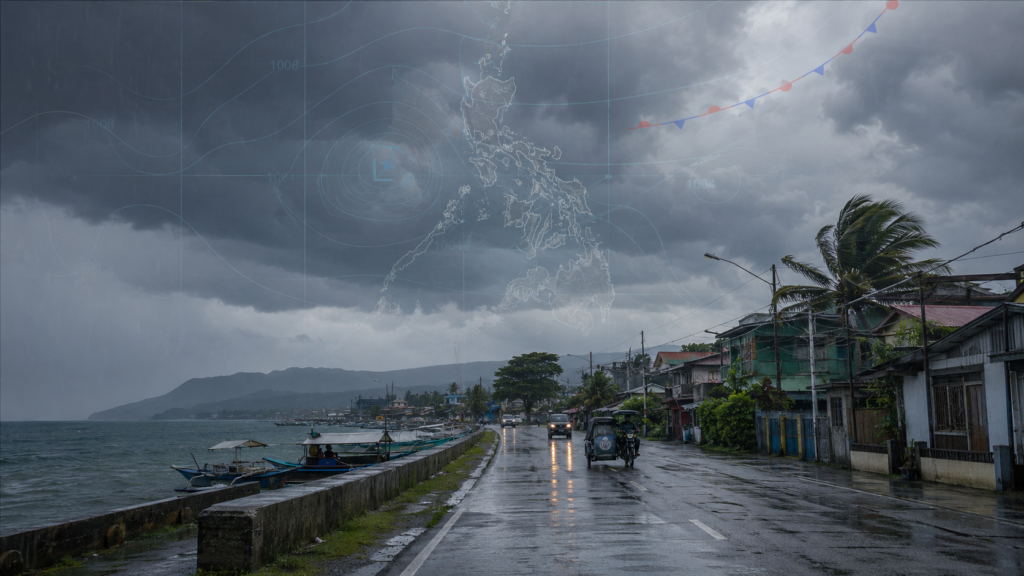
PAGASA said the Southwest Monsoon, locally known as Habagat, is affecting the western section of Southern Luzon, bringing cloudy skies with scattered rains and thunderstorms over Palawan as of Thursday afternoon, July 2, 2026.
What PAGASA Reported
In its 4:00 PM daily weather forecast, PAGASA said Palawan may experience cloudy skies with scattered rains and thunderstorms due to the Southwest Monsoon.
The weather bureau warned that moderate to at times heavy rains may trigger possible flash floods or landslides in affected areas.
Other Areas With Possible Thunderstorms
PAGASA said Zamboanga Peninsula, Basilan, Tawi-Tawi, Antique, and Occidental Mindoro may experience partly cloudy to cloudy skies with isolated rain showers or thunderstorms due to the Southwest Monsoon.
Bicol Region, Eastern Visayas, Caraga, and Quezon may also experience isolated rain showers or thunderstorms due to easterlies.
Metro Manila and the rest of the country may experience partly cloudy to cloudy skies with isolated rain showers or thunderstorms caused by localized thunderstorms.
Tropical Depression Outside PAR
PAGASA also monitored a tropical depression, formerly named “Henry,” outside the Philippine Area of Responsibility as of 3:00 PM.
The system was located 960 kilometers west of Northern Luzon, with maximum sustained winds of 55 kilometers per hour near the center and gustiness of up to 70 kilometers per hour. It was moving west at 30 kilometers per hour.
Key Facts
| Detail | Information |
|---|---|
| Weather system | Southwest Monsoon / Habagat |
| Main affected area | Palawan |
| Other affected areas | Zamboanga Peninsula, Basilan, Tawi-Tawi, Antique, Occidental Mindoro, Bicol, Eastern Visayas, Caraga, Quezon |
| Metro Manila forecast | Possible localized thunderstorms |
| Main risk | Flash floods or landslides during heavy rain or severe thunderstorms |
| Issued | 4:00 PM, July 2, 2026 |
Why This Matters
The weather update is important for residents, motorists, commuters, fisherfolk, and local disaster offices, especially in areas prone to flooding and landslides.
Residents in affected areas are advised to monitor official PAGASA updates and follow advisories from local disaster risk reduction offices.